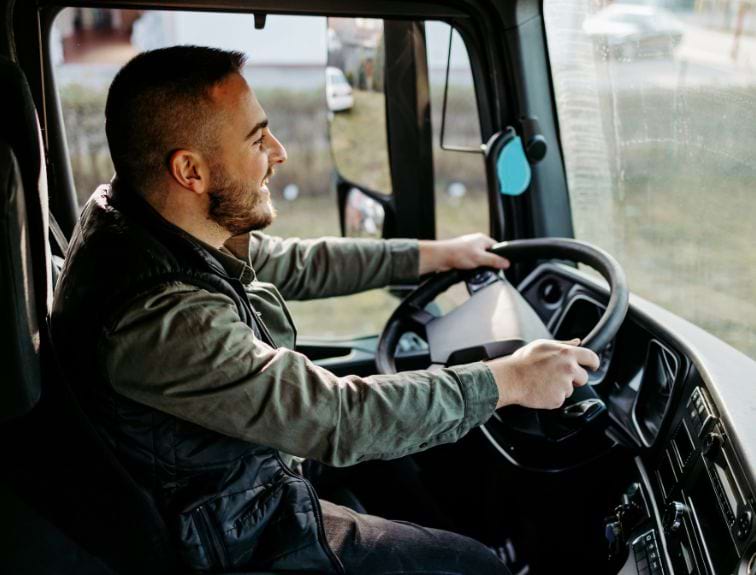
One of the best parts of becoming a professional truck driver is the job security within the field. There is currently a significant shortage of qualified truck drivers as older generations of experienced drivers retire from the industry. The need for skilled truck drivers will continue to grow steadily with time, ensuring that there will always be a job out there for qualified truck drivers. Products and goods will always need to be transported across the country, and there will always be a strong demand for professional truck drivers to transport them safely and efficiently. This growing demand means that cdl class a jobs are becoming increasingly available in communities across the nation.
The trucking industry is remarkably diverse and includes a wide variety of different driving options and career paths. Getting your Class A CDL will open doors to new opportunities you may have never expected or considered before. The versatility of a Class A CDL means you can explore different types of driving work until you find the perfect fit for your lifestyle and preferences. Take the time to explore your options and discover which path aligns best with your personal and professional goals!
Dry Van Driver
Dry van is the most common Class A hauling job and a natural starting point for new drivers. Dry van drivers haul freight in an enclosed trailer. This protects cargo from weather and road conditions. Common loads include packaged goods, electronics, and clothing. Dry van work is widespread, so jobs are easy to find. This type of hauling builds a solid base before moving into more specialized work.
Hazmat Driver
Hazmat drivers transport materials that are classified as dangerous. That includes flammable liquids, compressed gases, and certain chemicals. This work requires a Hazardous Materials endorsement, an extra knowledge test, and a federal background check. Because of the added risk and training, hazmat jobs typically pay more than standard hauling positions. Drivers must follow strict federal rules and keep detailed records for every load.
Heavy Equipment Hauler
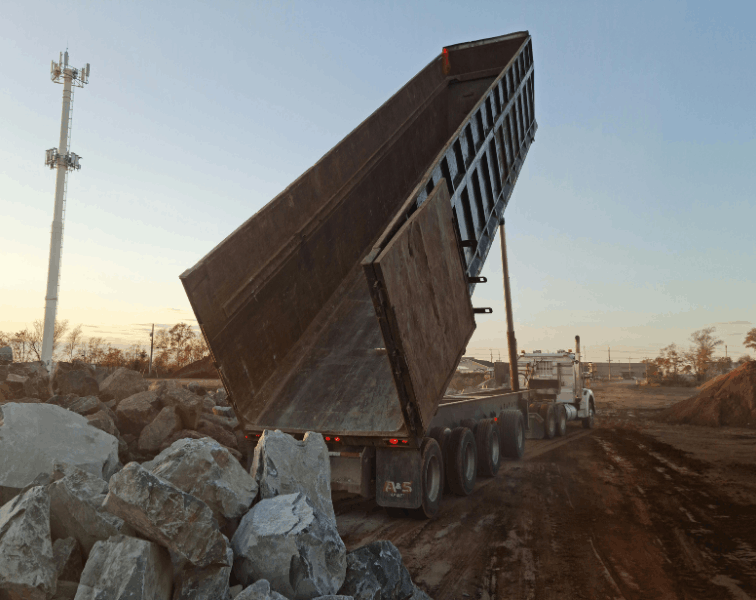
Heavy equipment haulers move large machinery, construction vehicles, and industrial equipment. These loads exceed standard weight limits and often require special permits and route planning. Work may involve hauling to a nearby job site or across several states. The pay is often competitive, and drivers get to work alongside large construction projects. This type of hauling calls for precision and strong attention to safety.
Auto Transport Driver
Auto transport drivers move cars, trucks, and other vehicles on multi-level trailers. The job requires careful attention to how each vehicle is positioned and secured to avoid damage. Drivers may work for manufacturers, dealerships, or auction companies. This type of work offers consistent freight demand and solid earning potential.
Livestock Hauler
Livestock hauler transport live animals such as cattle, hogs, and poultry from farms to processing facilities or auction sites. This work requires more responsibility, since drivers need to follow specific regulations for animal care during transport. Livestock hauling is a physically demanding job that also requires careful attention to loading, unloading, and maintaining proper conditions inside the trailer. For drivers with a background in agriculture or an interest in that industry, livestock hauling can be a rewarding and stable career path.
Tanker Truck Driver
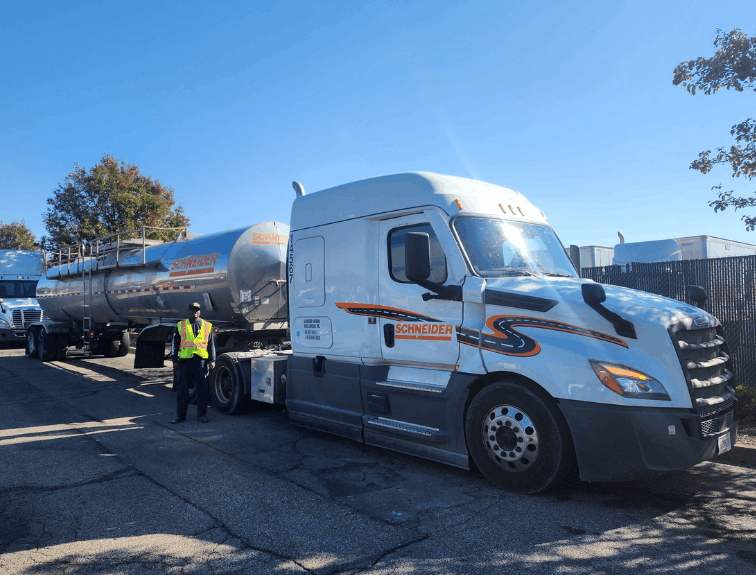
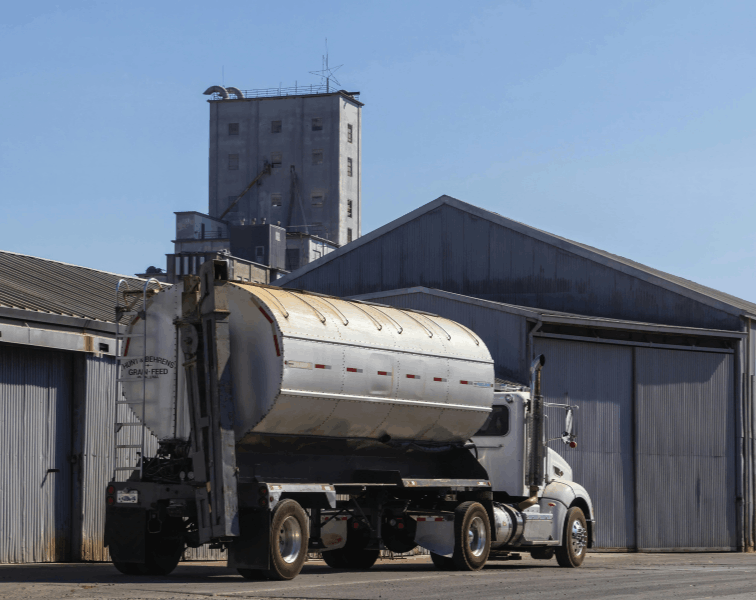
Tanker drivers haul liquid cargo such as fuel, chemicals, or milk. This type of work requires extra CDL endorsements and training. Drivers must understand how liquid moves inside a tank and how that affects braking and handling. Because of the added skill and risk involved, tanker jobs often pay above average rates.
Refrigerated Truck Driver
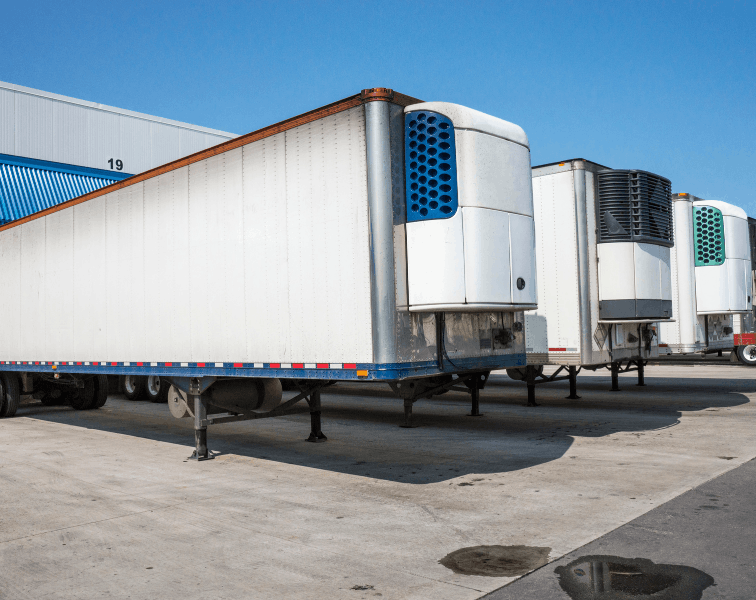
Refrigerated drivers, often called reefer drivers, haul cargo that must stay cold. That includes food, medicine, and other perishable goods. Drivers check and maintain temperature throughout every run. Demand for this type of hauling has grown as consumers expect fast delivery of fresh products. Reefer work is widely available and tends to offer steady schedules.
These are just a few of the hauling specialties open to Class A CDL holders. If one type of work is not the right fit, there are other options to explore. The key is finding the work that matches a driver’s skills, goals, and lifestyle.
Ready to Start Your Truck Driving Career?
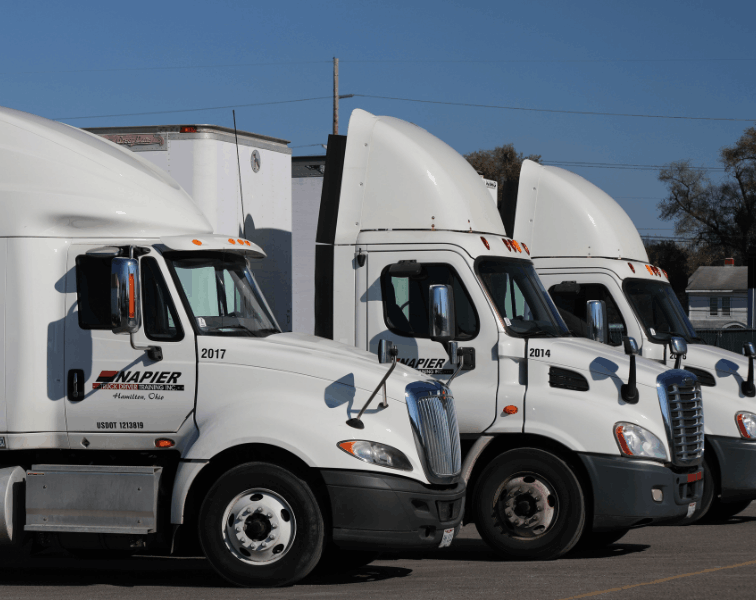
Napier Truck Driver Training offers hands-on CDL training that can be completed in as little as five weeks. The program focuses on practical skills that employers want. Graduates also have access to job placement help. Napier works with regional trucking companies that are hiring, and many graduates find work within weeks of finishing the program. Napier supports students from the first day of class to the first day on the job.
Contact Napier Truck Driver Training today to learn more about the Class A CDL program or to take the first step toward a new career.