What is a CDL? Your Complete Guide to Commercial Driving in Ohio
A CDL opens doors to truck driving jobs in Ohio. But if you’re new to all this, you might have questions about what it actually means and why you can’t just drive a big rig with a regular license. Let’s go over what a CDL is and why it’s important.
What is a CDL?
A commercial driver’s license (CDL) is the license you need to operate commercial vehicles. It allows future drivers to demonstrate that they have the knowledge, experience, and skills to handle vehicles that weigh over 26,000 pounds or carry hazmat materials.
Your regular driver’s license allows you to drive cars and light trucks. A CDL certifies you to drive big rigs and other heavy commercial vehicles.
Why Truck Drivers Need a CDL
Before 1992, each state had its own rules for licensing commercial drivers. This created issues for employers and drivers including:
- Inconsistent Safety Standards: Regulations differed state to state, causing safety concerns
- Difficulty for Trucking Employers: Companies hiring from out of state couldn’t ensure drivers had the necessary skills in their state
- Limited Mobility for Drivers: Moving to a new state means different requirements and getting a new CDL
- Public Safety Concerns: Without consistency, drivers may not be training for driving conditions in other states
In 1986, the federal government passed the Commercial Motor Vehicle Safety Act (CMVSA). The CMVSA set national standards that all states had to follow for commercial driver licensing. The goal was to ensure every commercial driver met the same safety requirements no matter where they were driving. Ohio switched to the federal CDL system in 1990, and by the end of 1991, all commercial drivers in the state were required to have one.
Today, the Federal Motor Carrier Safety Administration (FMCSA) oversees these standards. Whether you’re driving in Ohio or crossing state lines, you’re meeting the same safety requirements. That consistency protects drivers and helps ensure safety standards across all fifty states.
The Three Classes of CDL in Ohio
Class A CDL
A Class A lets you drive a tractor and trailer (also called a combination vehicle) if the combined weight is 26,001+ pounds and the trailer weighs over 10,000 pounds. Most over-the-road trucking jobs require a Class A.
Learn More about Class A CDL Training
Class B CDL
With a Class B, you’re permitted to drive single commercial vehicles weighing 26,001+ pounds and tow trailers up to 10,000 pounds. This covers dump trucks, cement mixers, and other heavy single-unit trucks. A Class B CDL also allows the driver to transport 16 or more passengers.
Class C CDL
A Class C CDL covers passenger vehicles carrying 16 or more people, vehicles transporting hazardous materials, or school buses. These jobs tend to have different requirements than other truck driving jobs.
Who Needs a CDL in Ohio?
In Ohio, you need a CDL if you’re driving:
- Combination vehicles
- Single commercial vehicles
- Any vehicle carrying 16 or more passengers (including the driver)
If what you’re driving is heavy, hauls trailers, or carries people or hazmat, you need a CDL. There are three different types of CDLs a person can earn based on the driving career they’re interested in: Class A, Class B, and Class C.
Why CDLs Matter in Ohio
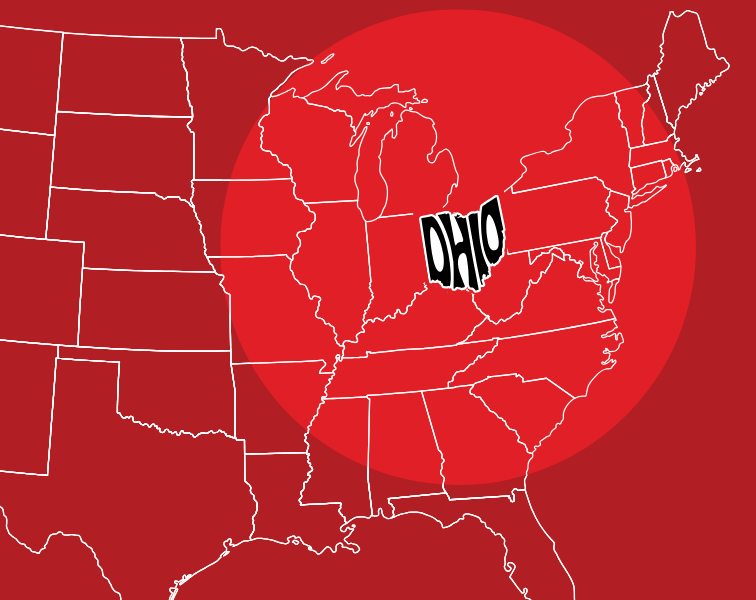
The state of Ohio handles nearly 1.4 billion tons of freight every year, ranking 6th nationwide in freight volume. Because of Ohio’s Midwestern location, businesses can reach over 60% of the U.S. and Canadian population within a day’s drive from Ohio, making it an attractive location for shipping hubs and creating more demand for truck drivers in the state.
The trucking industry is expected to grow 7% by 2030, which means a strong amount of demand for new truck drivers. Having a CDL shows employers and the public that you meet federal and state safety standards, you’ve passed required testing and know how to handle a big rig safely.
Entry-Level Driver Training (ELDT): What Changed
If you’re getting your CDL, you need to know about Entry-Level Driver Training, or ELDT. It’s a federal requirement that changed how CDL training works.
What is ELDT?
In February 2022, new federal rules called Entry-Level Driver Training (ELDT) took effect. These rules set standards for commercial driver training. If you’re getting a Class A or Class B CDL for the first time, upgrading from Class B to Class A, or getting certain endorsements (hazmat, passenger, or school bus), you must complete an ELDT program.
What Does ELDT Involve?
ELDT has two parts: classroom training and hands-on behind-the-wheel training.
Classroom Training: Classroom training covers 30 different topics related to commercial driving, including vehicle systems, safety procedures, federal regulations, and cargo handling. A passing score of at least 80% is required for the test.
Behind-the-Wheel Training: ELDT requires in-truck, instructor-led training covering pre-trip inspections, basic maneuvers, and real-world driving. While there is no minimum hours requirements behind the wheel, you must demonstrate mastery of all required skills.
What Makes Ohio Different?
State vs. Federal Rules
The FMCSA sets baseline standards that all states follow, but Ohio manages how those standards work in the state. The Ohio Bureau of Motor Vehicles handles all CDL applications and testing while following federal requirements.
Special Exemptions in Ohio
Ohio has specific cases where CDLs aren’t required:
- Farm Operations: Farmers transporting their own crops within 150 miles don’t need a CDL
- Military Service Members: Veterans, active duty military members, and reserve members can qualify for test exemptions under special waivers
- Emergency Vehicles: Fire trucks, police vehicles, and other public safety vehicles are exempt
- Seasonal Agricultural Work: Farm workers can get a restricted CDL for seasonal farming operations, valid for up to 210 days per year
Get Started with Your CDL
If you’re interested in a CDL career, the next step is getting quality training. Not all training programs are the same. You need instructors who understand the industry, know what employers expect, and can prepare you to pass your tests and succeed on the job.
That’s where we come in. Napier Truck Driver Training offers Class A CDL training right here in Cincinnati. We walk you through the entire process—from ELDT requirements to passing your state skills test. Our instructors know what the road actually demands, and we make sure you’re ready.
Common Questions About CDLs in Ohio
What’s the difference between a Class A and Class B CDL?
A Class A CDL permits you to drive combination vehicles (tractor-trailers) with a combined weight of 26,001+ pounds and a trailer over 10,000 pounds. Class B limits you to single heavy vehicles (26,001+ pounds) and trailers up to 10,000 pounds. Class A gives you more job options.
Do I need ELDT if I already have a CDL?
No. ELDT only applies if you’re getting your CDL for the first time after February 7, 2022, upgrading from Class B to Class A, or getting certain endorsements for the first time. If you got your CDL before that date, you don’t need ELDT.
How long does it take to get a CDL?
Most ELDT-compliant CDL programs require a minimum of 160 hours of training before students can take their exam. ELDT focuses on mastering the required skills with a combination of classroom training and behind-the-wheel instruction in the training yard and on the road.
How Long Does CDL Training Take?
What kind of jobs can I get with a Class A CDL?
Over-the-road trucking, regional trucking, dedicated routes, hazmat hauling (with the right endorsement), tanker work, and heavy equipment transport. With a Class A, you can apply for most truck driving jobs.
How much do CDL drivers make in Ohio?
Entry-level drivers who complete training with Napier Truck Driver Training can expect to earn up to $50k in their first year as a professional truck driver.
Ready to Get Started?
Earning a CDL is an investment in your career. It opens access to in-demand jobs that offer stable pay. If you’re ready to get started, Napier Truck Driver Training can help you do it.